Infrastructure Architecture

Target architecture

We design the structure your services are meant to run in: network segments, compute and storage layers, zones of differing protection requirements, and the routes between them. All of it as a blueprint rather than a collection of grown special cases.

Modularity is not an end in itself: reusable building blocks mean a new service does not trigger a new debate each time but fits an existing pattern.
On-premises, hybrid or cloud

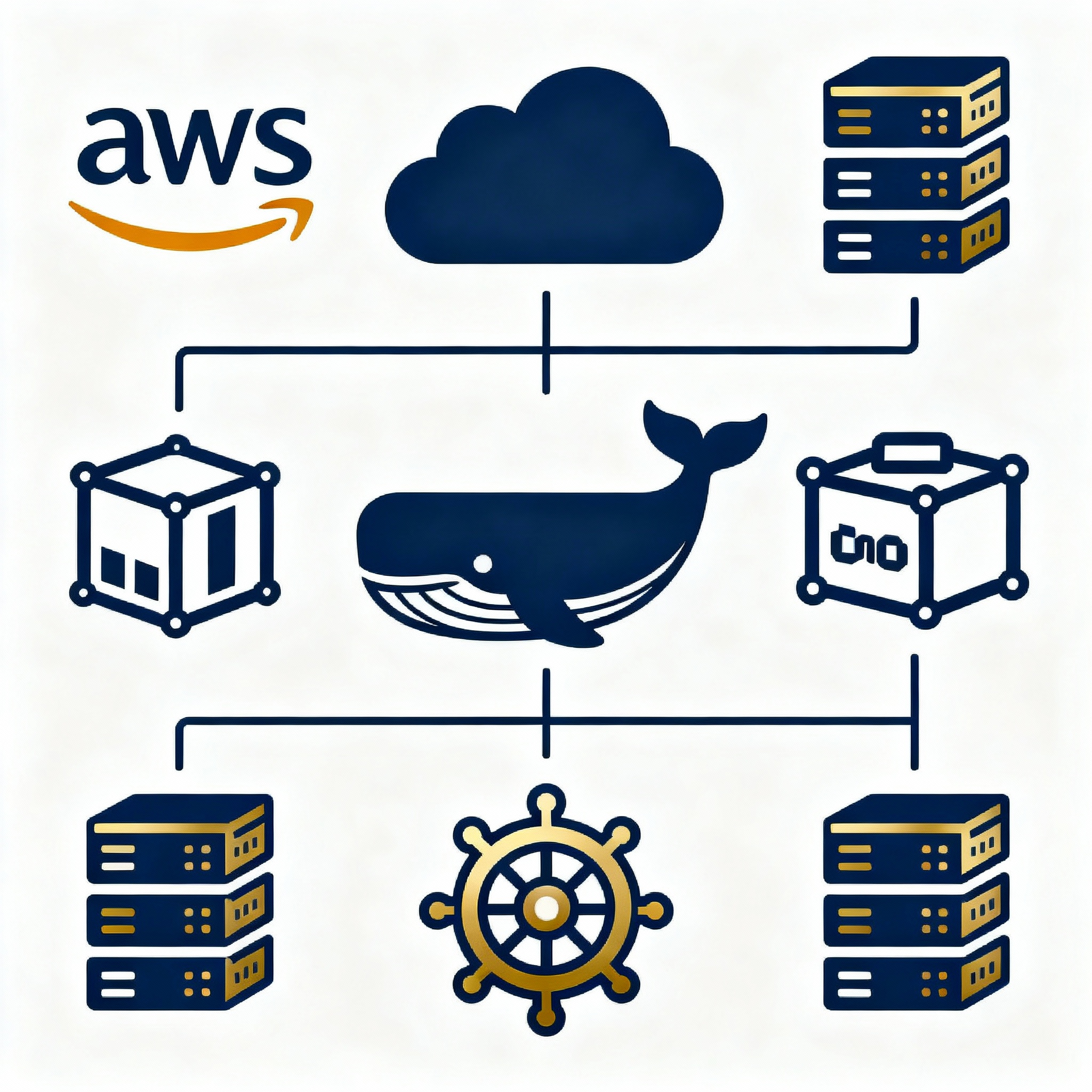
We work vendor-neutral. Whether VMware, Proxmox, Hyper-V or a public cloud is the right fit depends on your requirements, your operating costs and your team's ability to carry the result forward.

We cost out the options, including the costs that only surface in operation — egress traffic, backup, licence models. And we name the vendor lock-in wherever it arises.

Standards, policies, governance

An architecture only holds if it is clear what is permitted. We define naming conventions, network rules, permission models and minimum hardening requirements — concise enough that they actually get read.

Where possible we hold those rules in machine-readable form so they are checked automatically. A rule nobody enforces stops being a rule within six months.

Scaling and future fitness

Growth should not trigger a redesign. We size things so that additional load, new sites or further tenants fit the existing structure — and we name the thresholds beyond which a rebuild would be due.

The way back matters just as much. Every architecture contains decisions that will later be regretted. We document which those might be and how expensive a reversal would be.

Benefit from our approach

  • A blueprint rather than grown special cases
  • Reusable building blocks for new services
  • Vendor-neutral selection with a cost comparison
  • Lock-in named rather than glossed over
  • Standards concise enough to be read
  • Rules held in machine-checkable form
  • Documented thresholds for later rebuilds